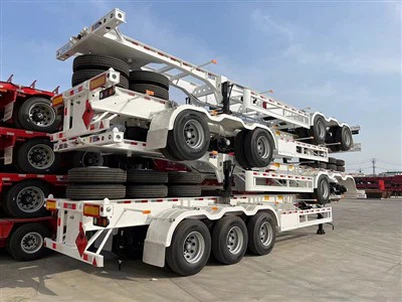
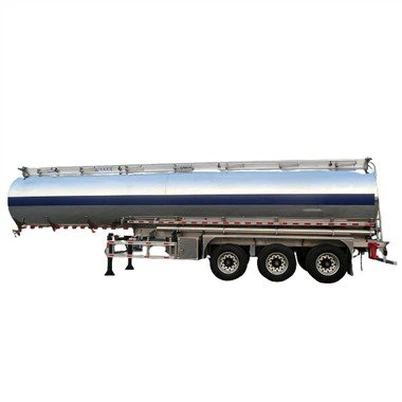
Översikt över kemisk vätsketransport semitrailer
Lämna ett meddelande
Påhängsvagnar för kemisk vätsketransport har olika krav på tankmaterial beroende på det transporterade mediets egenskaper. Vanligt använda material för kemiska vätsketankar inkluderar: rostfritt stål (202, 304, 316L), kolstål, plaststål (fodrat med plasttankar), glasfiberförstärkt plast, aluminiumtankar, helt plasttankar (polyeten, polypropen), etc. , hel-plast tank serie urval Polyeten är den viktigaste råvara formel processen. Hela plast- och plaststålprodukterna formas på en gång. Syra, alkali, salt, alkohol, aldehydlagring, transport, reaktion, omrörning, avloppsvatten, gasbehandling. Stålbälten används mest för att binda och fixera på bilens chassi som en transporttank. Används i stor utsträckning inom kemisk industri, metallurgi, miljöskydd, bryggning, livsmedel, läkemedel, lagring och transport och andra företag. Tankserien helt i plast använder polypropen som den huvudsakliga råmaterialprocessen, och den 20 mm tjocka polypropenplattan är svetsad med en dubbelsidig specialprocess. Propylen<85°C). Plastic-steel composite tank series (plastic-lined tank): steel-plastic composite anti-corrosion series products, through the steel mesh transition structure, the modified PE is integrally formed on the inner wall of the steel tank at one time. It has the dual characteristics of PE's anti-corrosion performance and metal strength. Operating temperature: - 20℃~70℃ Products include pressure tanks, large storage and transportation tanks, reaction kettles, ion exchange columns, chemical towers, pipeline valves, etc., which are widely used in storage, reaction and transportation tanks in the chemical industry. Carbon steel tank series: the interior and exterior are carefully treated with anti-corrosion paint, suitable for the transportation of various non-corrosive chemical liquids. Operating temperature: -20°C ~ 60°C, the scope of application is small (concentrated sulfuric acid with a concentration > 97% can be made of 6-8 mm thick carbon steel plate). When used as a transport tank, the tank body should not be enlarged. Aluminum cans are the best choice for transporting liquid nitric acid. Stainless steel tanks have a wider range of applications, but the cost is higher. The company has strong technical force, and can design and manufacture products that satisfy users according to user requirements.